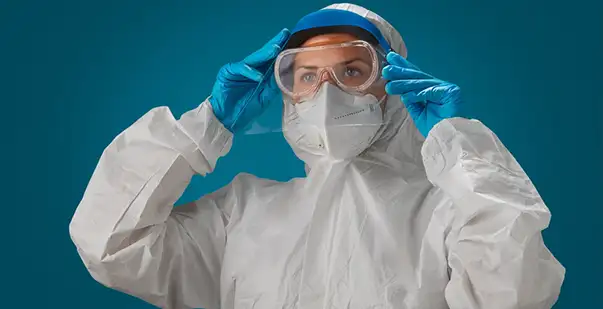
A patient arrives in your unit with a persistent cough. Do you need just your standard PPE, or should you be reaching for an N95 mask? Healthcare-associated infections remain one of the most persistent challenges in modern medicine. In fact, healthcare-associated infections affect approximately 1 in 31 hospital patients on any day, according to the Center for Disease Control and Prevention. Could these disasters have been prevented? Absolutely. Many of these outbreaks started due to the gap in infection control training for healthcare workers.
There are two fundamental types of infection control precautions: standard and transmission-based precautions. But how do you know which type of infection control precaution to use or when to escalate protection? Keep on reading to know about the precautions and make the right call every time.
What Is the Standard Precaution Method?
Standard precautions are the baseline defense strategy against all potential infections in healthcare settings. A standard precautions online course teaches you the universal protocols for every patient encounter, regardless of their known infection status. The practices include:
Hand Hygiene Protocols
The WHO's hand hygiene guidelines confirm this practice reduces transmission by up to 50%. You must perform hand hygiene at five critical moments during patient care.
Wash your hands:
before touching a patient
after touching a patient
before any aseptic technique or procedure
after body fluid exposure
after contact with the patient's surroundings
Personal Protective Equipment (PPE) Use
Make sure to choose the PPE based on the anticipated level of exposure to infectious materials. For instance:
Gloves protect your hands during contact with blood, bodily fluids, or contaminated surfaces.
Gowns, masks, and eye protection shield you when splashes or sprays occur.
Proper donning and doffing sequences prevent self-contamination during equipment removal.
Respiratory Hygiene and Cough Etiquette
Cover your mouth and nose with tissues when coughing or sneezing. Dispose of contaminated tissues immediately in no-touch receptacles. Perform hand hygiene after contact with respiratory secretions. Always provide masks, tissues, and hand sanitizer in waiting areas.
Safe Injection Practices
Use a sterile, single-use disposable needle and syringe for each injection. Never administer medications from the same syringe to multiple patients. While single-dose vials are preferred, if multi-dose vials are necessary, restrict them to one patient. The CDC's injection safety guidelines report that unsafe practices cause hepatitis C, hepatitis B, bacterial and fungal diseases, and possibly HIV.
Environmental Cleaning and Disinfection
Ensure that you regularly clean and disinfect high-touch surfaces. Patient care equipment requires proper cleaning between uses. Single-use items must be disposed of appropriately after one use. Make sure to follow established protocols that match surface contamination levels with appropriate disinfectants.
Safe Handling of Contaminated Equipment and Laundry
Always handle used patient care equipment without exposing your skin. Contaminated textiles and laundry should be contained and transported in leak-proof bags to designated processing areas. Proper handling prevents pathogen transmission to yourself and environmental contamination.
The 6 Core Elements of Standard Precautions
Wash your hands
Wear gloves, masks, and gowns
Cover your mouth and nose when coughing
Use new needles for every injection
Clean and disinfect surfaces regularly
Isolate infected patients in separate rooms
What Is the Transmission-Based Precaution Method?
Transmission-based precautions provide additional protective measures beyond standard precautions for known or suspected infections. Transmission-based precautions training allows you to understand when and how to apply these focused, pathogen-specific measures based on the way a pathogen is transmitted. These protocols include:
Contact Precautions
Contact precautions should be applied to infections spread through direct or indirect physical contact. For example:
Wear gloves upon room entry
Wear a gown if significant exposure is likely
Use dedicated patient care equipment whenever possible to avoid cross-contamination.
Droplet Precautions
Implement droplet precautions for organisms that are transmitted by large respiratory droplets, such as influenza. When working within three feet of the patient, wear a surgical mask. Place patients in private rooms or cohort them with other patients with the same infection.
Airborne Precautions
Airborne precautions are for diseases spread by small airborne particles, such as tuberculosis. Patients require negative-pressure isolation rooms with monitored air exchanges. Wear an N95 respirator before entering the room.
Combination Precautions
Sometimes you have to follow multiple transmission-based precautions simultaneously for certain infections. The reason is that some pathogens spread through more than one transmission route concurrently. For instance, varicella requires both airborne and contact precautions.
Read More: Top Benefits of Infection Control Certification for Health Care Providers
When to Use Standard vs Transmission-Based Precautions
You apply standard precautions universally during routine patient care activities. On the flip side, you can opt for transmission-based precautions when you suspect or confirm any specific infections. For instance, if the patient has a severe cough, fever, then they may have tuberculosis. In such circumstances, you need to follow transmission-based measures.
Here’s a brief overview of when to use standard vs transmission-based precautions.
Patient Presentation | Suspected Infection | Precaution Type |
Routine care, no symptoms | None | Standard |
Diarrhea with antibiotic use | C. difficile | Transmission (Contact) |
Cough, fever, infiltrates | Tuberculosis | Transmission (Airborne) |
Fever with respiratory symptoms | Influenza | Transmission (Droplet) |
Rash with fever | Measles/Varicella | Transmission (Airborne + Contact) |
New admission unknown status | Unknown | Standard (minimum) |
How to Determine the Type of Precaution You Need?
You are under pressure to act fast but ensure maximum protection for all the people in the environment. A wrong move could expose staff, patients, and visitors to non-prevented infections. Here are some strategies to make the right call during emergencies.
Assess Patient Symptoms
Standard precautions apply to all patients regardless of diagnosis, but certain symptoms need transmission-based precautions. For example:
Cough/ shortness of breath: Airborne/Droplet precautions
Diarrhea: Contact precautions
Draining wounds/skin lesions: Contact precautions
Review Patient Medical and Travel History
Gather information about recent hospitalizations, antibiotic use, and previous infections. Ask about travel to areas with endemic diseases or outbreak situations.
Evaluate Lab Results
Check pending culture results, imaging findings, and preliminary rapid tests immediately. Opt for chest X-rays when the patient shows respiratory symptoms, which could be due to tuberculosis or pneumonia.
Consider Seasonal Patterns
Stay aware of current outbreaks in your community and facility. For instance, the influenza season increases the number of patients with respiratory symptoms.
How to Implement Infection Control Training for Healthcare Workers?
Infection control training for healthcare workers needs a structured approach that addresses existing knowledge gaps. Follow these tips to implement the training in your facility:
Conduct Thorough Assessments: Identify knowledge gaps specific to your health care team.
Establish Schedules for Regular Refresher Training: Plan annual training updates to review key concepts and incorporate new approaches.
Create Visual Reminders: Display clear signs and symbols at room entrances indicating required precautions for specific patients.
Establish Support and Resources: Convince administrators to provide the time, budget, and staffing needed to support training programs. Provide trainers with OSHA infection prevention certification to add credibility to your program.
Read More: How Many OSHA Certifications Are There?
Common Mistakes in Implementing Precautions
You might rush through procedures during busy shifts or develop shortcuts that seem harmless. But these mistakes allow pathogens to spread silently. Here are some common pitfalls to be aware of.
Delaying Precaution While Awaiting Confirmation
Do not wait for laboratory results before starting appropriate precautions despite a strong clinical suspicion. The delay exposes staff and other patients to potentially dangerous pathogens unnecessarily.
Failing to Remove PPE Before Leaving Isolation Rooms
Sometimes you may step outside patient rooms wearing contaminated gloves or a gown or touching your phone or any shared equipment. These practices spread pathogens widely. Always remove PPE inside or immediately outside patient rooms.
Overlooking Hand Hygiene After Removing Gloves
Never assume that because you wore gloves, hand hygiene is unnecessary after removal. Gloves tear or have microscopic holes that allow contamination during use. Touching the outside of the gloves during removal transfers pathogens to your hands.
Not Educating Patients and Visitors About Precautions
If you fail to explain the precautions to patients and families clearly, you cannot control the spread of infection. Visitors may enter or patients leave their isolation rooms without proper PPE. Make sure to educate them to reduce transmission risk.
Infection Control Training: Recognizing the Right Time for Precautions
Every patient interaction in healthcare requires safety measures. But some situations demand extra protection. Therefore, as a healthcare worker, you need to know the difference between standard and transmission-based precautions. Standard precautions are those that apply universally in all patient encounters. Transmission-based precautions provide targeted defense against specific pathogens for which the routes of transmission are known. A comprehensive infection control training for healthcare workers will help you stay aware of these measures and protect your patients and your staff from preventable infections.
Sign up for our online infection control training program today and learn to recognize high-risk situations instantly. Gain the certification, confidence, and compliance to protect your patients and your facility at your convenience.
FAQs
What is the difference between standard and transmission-based precautions?
Standard precautions apply to every patient and include hand hygiene, PPE use, and safe injection practices. Transmission-based precautions are additional protective measures used for known or suspected infections.
When should healthcare workers use transmission-based precautions?
Use transmission-based precautions when patients show symptoms suggesting specific infections, even before laboratory confirmation. Always act on clinical suspicion rather than waiting for test results.
Why is hand hygiene important even when wearing gloves?
Gloves can tear or have microscopic holes that allow contamination during use. Wash your hands thoroughly after removing gloves as part of proper infection control protocol.
References: