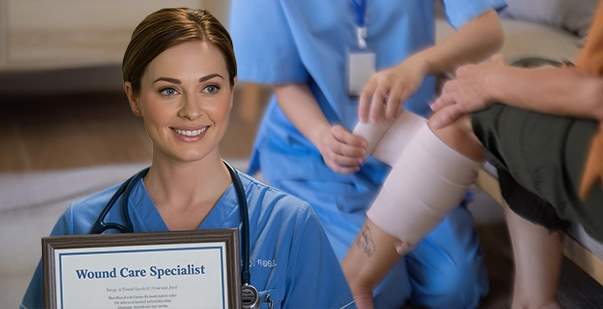
Wound care is increasingly important in today's healthcare system. With an increasing number of patients needing specialized care, skilled professionals are in high demand. Nurses, therapists, and other medical professionals are stepping up to fill this need, with many seeking wound care certification.
Obtaining certification does more than just demonstrate expertise. It also generates new job opportunities, which may lead to higher pay. Candidates must first pass a wound care certification exam, and this is where the questions start. What does the exam look like? How much does it cost? What should someone study so that they feel ready? This guide provides simple answers to all of those questions. It explains the exam format and offers study tips to help anyone considering taking this step feel more confident and prepared.
Read More: Top Study Tips to Pass Your Wound Care Certification Exam
What is the Wound Care Certification?
Wound care certification is a professional credential that certifies a healthcare provider's advanced training in wound management, including chronic wounds, pressure injuries, surgical wounds, and diabetic ulcers.
According to the National Institutes of Health (NIH), diabetics make up 25% to 34% of skilled nursing facility (SNF) patients, increasing diabetic foot ulcers, skin breakdown, and other complex wounds. More patients today need proper wound care, especially for those with serious health conditions. That’s why many healthcare workers choose to take the wound care exam—it helps them learn how to treat wounds safely and give better care to the people who need it most.
Who Offers Wound Care Certification?
Wound care certification is provided by a few trusted organizations. Each one has its own rules and guidelines to make sure healthcare professionals are well-trained to care for different types of wounds.
National Alliance of Wound Care and Ostomy (NAWCO)
This organization offers the Wound Care Certified (WCC®) credential. It is one of the most popular certifications, especially among nurses, physical therapists, and other hands-on healthcare providers.
Wound, Ostomy, and Continence Nursing Certification Board (WOCNCB)
WOCNCB issues the Certified Wound Care Nurse (CWCN®) credential. This is for registered nurses who provide wound care as part of their regular practice.
American Board of Wound Management (AbWM)
This board awards the Certified Wound Specialist (CWS®) and other credentials. These certifications are open to a wider range of healthcare professionals, including doctors, physician assistants, and nurse practitioners.
Each group aims to improve care quality by preparing certified individuals to implement best practices in real-world settings.
Read More: Top 5 Online Wound Care Certification Programs in 2025
What to Expect on the Wound Care Certification Exam
If you're getting ready for the wound care exam, it helps to know what to expect on test day.
Question Format
Most exams use a multiple-choice format. Some questions will have one correct answer, while others may ask you to choose the best option based on a patient scenario.
Time Limit
The exam usually takes between 2 to 3 hours, depending on which certification you're taking.
Passing Score
Passing scores are set by each organization, but most require you to score around 70% to pass.
Content Areas Covered
Although the specific content may differ depending on the organization (e.g., NAWCO, WOCNCB, or ABWM), the main topics are very similar. You'll probably be tested on the following wound care course syllabus:
How wounds heal, and the factors that influence healing
Identifying wound types and detecting signs of infection
Choosing appropriate treatments and dressings.
Infection prevention and control
Educating patients and caregivers about wound care at home
Legal and ethical responsibilities include documentation and the scope of practice.
Having a solid understanding of these topics will help you prepare for the exam.
Read More: Top 6 Continuing Education Options for Wound Care Nurses
Wound Care Certification Exam Fees
The cost of taking a wound care certification exam varies according to the organization that provides it. Each group sets its own pricing, which may include application and exam fees, as well as occasional additional fees for study materials or renewal.
Here's a simple breakdown of what you can expect to pay.
Certification | Exam Fee |
WCC® (Wound Care Certified) | $380 |
CWCN® (Certified Wound Care Nurse) | $395 (for one specialty) |
CWS® (Certified Wound Specialist) | $575 |
How Do I Prepare for the Wound Care Certification Exam?
Even with a hectic schedule, you can study effectively with the right tools. Here are some important tips that will help you with wound care exam prep:
Review the exam handbook. To download the candidate guide, go to the official website for your certification (NAWCO, WOCNCB, or ABWM). It describes what is on the exam and how it is scored.
Make sure you understand which subjects to focus on. Most exams include key topics like wound healing, dressing selection, infection control, nutrition, and proper documentation. Use the content outline from the guide as a checklist to track your study progress and stay on the right path.
Select quality study materials. Depending on your preferred learning style, you can use books, flashcards, or videos.
Create a study schedule. Spread your study time over several weeks. Strive for short, daily sessions rather than long, cramming sessions.
Practice with sample questions. Mock wound care practice tests can help you evaluate your knowledge and speed when taking tests.
Join a study group or online forum. Learning with others can keep you motivated and clarify any ambiguous concepts.
Prepare mentally and physically. Get plenty of sleep before the exam, eat well, and arrive early. A calm mind can make a big difference on test day.
Read More: Wound Care Certification for Nurses: A Comprehensive Guide
Who Needs Wound Care Certification?
Wound care certification is beneficial to many healthcare professionals, particularly those who frequently treat patients with chronic or complex wounds. Here's how it can help in various roles:
Registered Nurses (RN)
RNs working in hospitals or long-term care often care for patients with complex wounds. Earning a wound care certification helps them strengthen their clinical skills and qualify for specialized roles, making it easier to move forward in their careers.
Licensed Practical Nurses (LPNs/LVNs)
While not always required, certification allows LPNs to stand out and take on greater responsibility in wound care, especially in skilled nursing and long-term care settings.
Nurse Practitioners (NPs)
NPs in adult, geriatric, or primary care can use certification to deepen their wound care knowledge and improve outcomes for high-risk patients.
Physical Therapists (PTs)
PTs care for patients with pressure injuries or wounds related to mobility issues. Certification can help them enhance treatment planning and improve healing results.
Occupational Therapists (OTs)
OTs in rehab or home health settings can benefit from wound care certification by supporting healing through safe movement, positioning, and daily care strategies.
Home Health, Hospice, and Rehabilitation Facilities
These jobs frequently require frequent wound care, so certification is an important credential for providing quality care and advancing your career.
If your job involves wound assessment, dressing changes, or patient education, wound care certification could be the next best step in your career.
Finish the Wound Care Certification Exam with Confidence
Certification in wound care is an excellent choice for any healthcare professional looking to advance. It demonstrates your expertise, fosters trust with employers, and can lead to higher pay and more job opportunities. Our preparation course is intended to make studying easier by providing clear lessons, authentic exam-style questions, and step-by-step instructions. With proper preparation, you can pass the wound care certification exam. Enroll in our Wound Care Certification Exam Prep Course to advance your career.
FAQs
How long does it take to prepare for the Wound Care Certification Exam?
Most candidates prepare for four to six weeks, studying a little each day. If you already work in wound care, you might need less time. Beginners and those returning to study after a break may require additional time.
What are the main topics covered on the exam?
Common topics covered include wound types, healing stages, dressing selection, infection prevention, and patient education. Each certifying body provides a detailed exam content outline, which you can follow.
Will wound care certification help my career?
Yes! Certification can lead to higher pay, more job opportunities, and increased respect among colleagues and employers. It also demonstrates your ability to provide high-quality, specialized wound care.
References:
https://woundeducators.com/wcc-certification/
https://www.wocncb.org/certification/fees
https://woundeducators.com/cws-wound-care-certification/