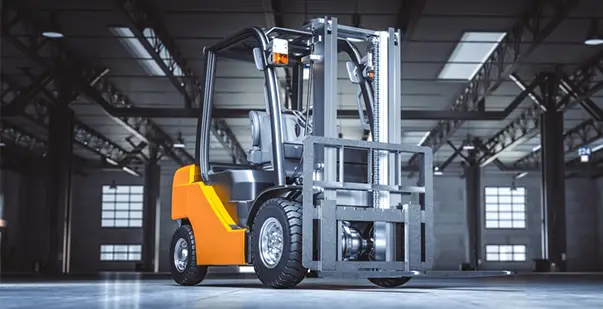
Autonomous forklifts are no longer futuristic. They are being used in different industries to complete forklift-related related quickly. With sensors, cameras, and AI, these self-driving machines can stack materials and transport goods with very little help from people. Therefore, autonomous forklift certification is becoming a new standard in warehouses and distribution centres. Now operators also need to know how to work with autonomous systems, handle breakdowns, and keep safety in check when automated and manual forklifts are used together. This guide will cover everything related to autonomous forklifts and how they are changing certification requirements with improved workplace safety.
The Rise of Autonomous Forklifts
Walk into a busy warehouse today, and you might see forklifts gliding between aisles with no one in the driver’s seat. Self-driving forklifts are changing the way goods are moved, stored, and delivered. They use smart navigation and advanced robotics to make warehouses safer and more efficient.
The Technology Behind the Machines
Autonomous forklifts can work on their own because they use advanced technologies that make the tasks more efficient.
Artificial Intelligence or AI
Processes data from sensors, makes quick decisions, and learns from experience to work more efficiently.
Cameras, ultrasonic devices, and other sensors spot people, objects, and possible hazards.
Uses laser mapping to make detailed 3D images of the space so the forklift can move accurately even in a complex warehouse layout.
Together, these systems allow forklifts to transport goods, avoid obstacles, and complete tasks without human intervention.
How Automation Is Reshaping Warehouse Operations
Autonomous forklifts are transforming the way warehouses and logistics centres operate. They can run all day and night, improve Automated Guided Vehicle or AGV forklift safety, and make operations more efficient, which is why more companies are starting to use them. From lowering costs to improving inventory management, the benefits are clear. Businesses use forklifts for many reasons.
Human operators need rest meal times and shift changes, but autonomous forklifts can keep working without stopping. This keeps the workflow steady even during busy times.
Reduce Accidents Linked to Human Error
Human mistakes are still a major cause of warehouse accidents. Autonomous forklifts use sensors, cameras, and AI to detect obstacles and prevent collisions, which helps protect workers. In 2023, forklifts caused 67 work-related deaths, and in 2021–22, they caused 24,960 nonfatal injuries. With automation, these can be prevented.
Cut down on Labor Costs and Boost Output
Companies need fewer workers for repetitive tasks when they automate material handling, and they can move goods through the warehouse more quickly. This lowers payroll costs and boosts output by moving things faster and more efficiently.
Enhance Inventory Accuracy
Autonomous forklifts can connect with warehouse management systems to record every pallet movement in real time, helping keep inventory records accurate. This cuts down on misplaced items and makes stock more accurate, which means less time spent checking inventory.
Improve Space Utilization
Advanced navigation systems allow autonomous forklifts to maneuver in tighter spaces than human-driven machines. This can enable narrower aisles and better use of storage areas, increasing overall warehouse capacity.
Support Data-Driven Decision-Making
Every movement of an autonomous forklift generates operational data. Analyzing this data helps managers identify bottlenecks, optimize workflows, and make better decisions to improve efficiency.
Also Read: Age Requirement To Operate A Forklift
Manual vs. Autonomous Forklifts
Forklifts are essential for moving goods in warehouses, logistics centers, and construction sites. As automation technology improves, companies can now choose between manual forklifts that skilled drivers control and autonomous forklifts that drive themselves using sensors and software. Each one is good at certain types of work and has its own strengths.
INFOGRAPHIC:
Parameter | Manual Forklifts | Autonomous Forklifts |
Operation | Driven by a human operator | Self-driving and controlled by a computer |
Safety | Higher risk due to human error | Lower risk as they follow safety programs |
Work Hours | Limited to shifts and breaks | Can operate 24 hours a day, all week |
Skill Requirement | Needs trained forklift operators | Needs technicians for setup and maintenance |
Adaptability | Performs well in unpredictable tasks | Best for repetitive and structured work |
Forklift Certification Requirements in 2025
Forklifts may look easy to operate, but they are powerful machines that can cause serious harm if not used correctly. This is why the Occupational Safety and Health Administration requires anyone who drives one in a warehouse logistics center or construction site to be trained and certified. Certification is not only about meeting compliance rules. It ensures that heavy equipment operators know how to move loads safely, prevent accidents, and protect both themselves and the people they work with.
Who Needs Forklift Certification
If you operate any powered industrial truck such as a forklift, pallet jack, reach truck, or order picker, you must be certified. This rule applies whether you’re a full-time employee, part-time hire, seasonal worker, or temporary staff. You also need to be at least 18 years old to qualify.
How to Get Certified Forklift Training Online?
Getting forklift certified makes sure you meet industry standards and follow all safety rules. Here are the main steps.
Start Online Instruction
Start with the online robotic forklift training modules that cover safe forklift operation, OSHA guidelines, basic maintenance, and how to identify workplace hazards.
Pass the Online Exam
At the end of training, you will take an online written test. A passing score is typically around 70 percent.
Get your Certification
Once you pass, you will get an autonomous forklift certification or wallet card with your name, training date, evaluation date, and trainer details.
How Long Does Certification Last
Your certification is valid for three years. You’ll need refresher training or sooner if:
You’re involved in an accident
You switch to a different type of forklift
You’re caught operating unsafely
Read More: How Long Does It Take to Become Forklift Certified and Operate a Forklift Safely?
How Automation Is Reshaping Certification Standards
Automation is transforming warehouses from top to bottom, and forklift certification is no exception. There are more than 1 million forklifts and about 2,000 automated guided vehicles (AGVs) in use in the United States. As autonomous forklifts and robotics become part of everyday operations, certification standards are evolving to ensure operators can work safely and effectively alongside this technology.
New Skills for a Modern Operator
Today’s forklift operators need more than traditional driving skills. They need to know how software, sensors, and robotics operate together in autonomous forklifts. That means you need to know how to not only use these machines, but also how to watch them, program them, and fix them.
Operators operate right next to autonomous or semi-autonomous vehicles in a lot of places. Certification now focuses on how well people and machines work together to make sure that personnel can step in when needed without slowing down operations.
Future Starts with Autonomous Forklift Certification
The abilities needed to operate in warehouses evolve as they do. Autonomous forklift certification gives operators, technicians, and supervisors the skills they need to safely operate both regular forklifts and advanced robots. It is not only about meeting OSHA rules. It is about staying competitive in a changing industry, lowering risks, and opening the door to higher-paying skilled jobs.
Whether you are starting out in warehouse automation or improving your current skills, the right certification will give you the knowledge to work safely, solve problems, and adjust to the future of logistics.
If you are ready to take the next step, join our forklift training course today and gain the skills to succeed in the automated warehouses of tomorrow.
FAQs
What certification is needed to operate an autonomous forklift?
Operators must be certified under OSHA’s Powered Industrial Trucks standards (29 CFR 1910.178). Certification includes formal instruction, training, and a performance evaluation. Only trained and authorised workers are allowed to use these machines.
Do all operators need certification?
Yes. Every person operating a powered industrial truck, including autonomous forklifts, must be certified by their employer through an approved program.
What does the forklift training cover?
Forklift training includes forklift controls, driving techniques, loading, workplace hazards, and OSHA safety rules. Operators also get practice with the type of forklift they’ll be using.
How long is the autonomous forklift certification valid?
Certification lasts for three years. Refresher training is required if the operator is unsafe, involved in an accident, or if workplace conditions change.
References: