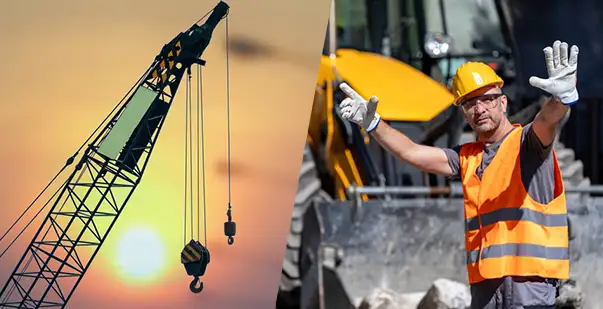
Transporting materials is a common activity across several industries like construction, oil and gas, mining, shipping, and more. Rigging is an excellent technique that helps you transport most of the heavy loads. However, loading and unloading activities can be quite dangerous because they involve heavy machinery, suspended loads, and manual handling.
This calls for extensive training on activities like lifting and rigging under the authorization of organizations like the Occupational Safety and Health Administration (OSHA). You can prove your competency in all kinds of lifting operations through a rigging and signal person certification.
This guide will walk you through everything related to rigging, including the importance of its training course.
What is Rigging?
Rigging is an important activity that involves lifting, moving, securing, and putting down heavy loads or objects. As a part of this, you use certain specialized equipment, tools, and techniques across organizations. Rigging generally aims to handle loads efficiently that are too large or heavy to be moved manually.
However, you need careful planning, calculation of load capacities, and knowledge of weight distribution to ensure your rigging activities go well. Most importantly, this involves adherence to safety regulations.
What are the Basic Rigging Components?
Several components play a significant role in creating a secure rigging setup. This helps ensure the reliability and safety of every lift used across several industries. On that note, here is a list of the basic rigging components:
Slings
Slings are specific tools that form the backbone of lifting operations. They usually handle the load securely. This often includes taking care of synthetic web slings to chain slings. You must also understand that each type serves a specific purpose.
Shackles
Shackles usually act as the linchpin connecting various elements across industries. Their varied configurations and robust design helps you reinforce the integrity of the rigging system over time. This usually involves contributing to the stability of the rigging arrangement.
Hooks
These are the primary points of contact between the crane and the load. That is why hooks also demand precision and strength. Moreover, understanding their functions is important for a secure lift, from clevis to swivel hooks.
Read More: How To Become A Crane Operator?
Which Industries Use Rigging?
Rigging proves to be beneficial across several industries that involve activities like heavy lifting, moving, or positioning large materials or equipment. Here is a list of the major industries that rely on rigging:
Construction
Rigging is used everywhere in construction, such as lifting steel beams on high-rises and positioning HVAC units, precast concrete panels, or roofing materials. Both commercial and residential construction projects depend on qualified riggers to keep operations efficient and safe.
Oil and Gas
Rigging is used in oilfields and refineries to move drilling equipment, heavy pipes, and structural components. Offshore platforms also depend on rigging to transport supplies and install large machinery in extreme environments.
Manufacturing and Industrial
Manufacturing plants also use vehicles like cranes and rigging to move large machinery, engines, molds, and industrial components. It is especially common in automotive, aerospace, shipbuilding, and heavy equipment manufacturing.
Shipping and Logistics
Docks, ports, and freight terminals use rigging to load and unload cargo, containers, and oversized freight. Cranes are among the primary tools used in these settings, but rigging ensures all items are moved securely.
Mining
Mining operations also require rigging activities to move large rock crushers, conveyors, and other equipment. Most of these activities happen across confined or uneven terrain. Safety is important in these cases due to the heavy loads and other hazardous working conditions.
Utilities and Infrastructure
Utility companies often leverage crane rigging to install and maintain transformers, substations, power poles, wind turbines, and other infrastructure components.
Entertainment and Events
The entertainment industry also uses rigging activities for various concerts, theater productions, and film sets. They mostly lift and suspend sound equipment, lighting, and stage structures.
Read More: How OSHA10 Training Increases Workplace Safety in Construction
Why is the OSHA Rigging Course Important?
According to the Bureau of Labor Statistics, over 1,056 workers in the construction and extraction industry lost their lives in the United States in 2022. It was reportedly an 11% increase from the previous year.
Daily workers across several industries are exposed to risks such as exposure to electrical hazards, falls from elevation, and being struck by objects. Here is a list of the additional reasons why rigging and signal person certification is important:
Improves Safety
Rigging involves working with heavy equipment and loads, which can pose risks if not handled properly. Qualified rigger training online also equips you with the knowledge of safe practices, risk assessment, and hazard identification.
For instance, a constructor worker can reduce the likelihood of accidents, injuries, and fatalities through rigging. Proper mechanical equipment training also helps create a safety-conscious workforce. This is how you can understand the importance of following guidelines and workplace safety protocols.
Increases Efficiency
You can specialize in lifting and moving operations that can increase your efficiency and productivity. You can also gain more experience in proper rigging techniques, load balancing, and coordination with other operators as an experienced rigger. This enables more effective operations to minimize delays and maximize productivity on job sites.
Ensures Compliance With Regulations
Several jurisdictions in the U.S. have certain rules that govern rigging operations to protect workers and the surrounding environment. Crane rigging safety training online further ensures you are always aware of these regulations and understand your responsibilities in meeting compliance requirements. This helps you prevent legal issues, penalties, and reputational damage for several organizations.
Enroll in a Rigging and Signal Person Certification Today!
Industries are constantly balancing progress with danger. This is why they depend on activities like lifting or rigging to complete work. However, you cannot engage in these activities without having a rigging and signal person certification.
If you are interested in learning more about lifting activities, enroll in a Crane and Basic Rigging course. This allows you to learn more about basic rigging activities and the safety techniques to follow during lifting operations. However, make sure to renew the certification on time to ensure you do not lose your credibility as an employee.
FAQs
What is the difference between basic and advanced rigging training?
The difference between basic and advanced rigging training depends on the complexity of tasks, level of responsibility, and types of loads and equipment involved. To learn more about the key differences, you can speak to a nationally accredited and recognized training provider.
How to get started as a rigger?
You must start with formal training and on-the-job instruction to get started as a rigger. You must also have an understanding of how to safely rig loads. This will allow you to showcase your skills and proof of ability to perform tasks safely and efficiently.
How long is a rigging course?
The duration of a rigging course depends on the training provider you choose for your certification. It is usually recommended to select online courses because they are more flexible than traditional courses. You can also reach out to your instructors anytime for further assistance.
Is rigging hard to learn?
You may find it a little overwhelming to learn rigging, but not impossible. You can easily learn how rigging works and become well-equipped with its activities. All it needs is a little effort and assistance from your instructors.
How long does it take to become a rigger?
Becoming a rigger can take anywhere from six months to several years. The primary factors are specifically your starting point and the industry you work in. Those with experience in related fields can enter faster. On the other hand, starting from scratch needs time for formal training, gaining practical experience, and certifications.
References