On May 30, 2024, a factory operator in Tennessee was killed due to the unexpected eruption of salts in molten form from processing machinery. In the blink of an eye, what began as a typical day of operations to process a material became tragic when the process turned deadly. The day exemplifies that in an industrial setting, the behavior of chemical reactions is often unpredictable. This tragic incident shows how important it is to know hazardous material safety protocols to prevent any mishap at the worksite. Industrial sites may handle hundreds of different chemicals, and even a small mistake can trigger a serious accident. This guide will explain all hazardous materials safety matters, how these materials should be labeled, and what protocols to follow for associated emergencies.
Read More: What is RCRA Hazardous Waste Training?
What Is Hazardous Material Safety Protocol and Why It Matters?
Hazardous material safety refers to the set of practices, rules, and protective measures designed to prevent harm when handling, storing, transporting, or disposing of dangerous substances. These materials can cause fires, explosions, toxic exposures, or long-term health issues if not managed correctly.
In 2023, 5,283 U.S. workers died on the job, and 820 had work exposures to toxic substances or environments.
The industrial sector had 391 work deaths in 2023, with unsafe exposures among the leading causes.
Therefore, the Occupational Safety and Health Administration (OSHA) enforces strict protocols, such as proper labeling, storage requirements, emergency planning, and mandatory training like HAZWOPER. Engineering controls, personal protective equipment (PPE), and regular safety drills all work together to keep job sites safe.
What are Some Categories of Hazardous Material?
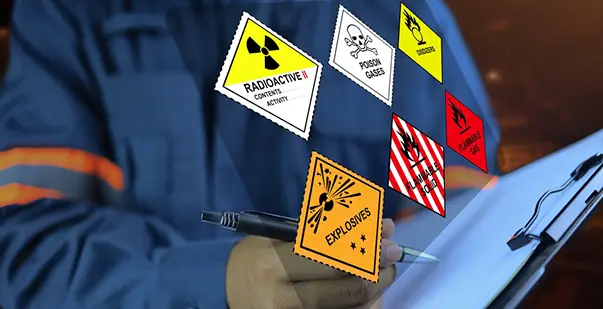
Hazards take many shapes, all with their own dangers. Industries put them into general categories such as flammables, toxics, corrosives and so forth to simplify dealing with them safely. The chart below illustrates some typical hazard types:
Hazard Type | Examples | Hazards/ Precautions |
Explosives | Dynamite, TNT, fireworks | Detonate violently if shocked. Store in approved magazines well away from heat or impact. Handle with extreme care.
|
Flammable Liquids & Gases | Gasoline, ethanol, propane, acetylene | Ignite or explode easily. Use grounded, spark-proof tools and flame-resistant storage cabinets. Keep away from open flames or sparks. Ensure good ventilation.
|
Toxic/Poison | Chlorine, cyanide, pesticides | Harmful if inhaled, ingested or absorbed. Use respirators and gloves and work in exhaust ventilation. Have emergency first aid ready.
|
Corrosives | Sulfuric acid, sodium hydroxide, hydrochloric acid | Cause severe burns on contact. Store in corrosion-resistant containers (like polyethylene). To avoid skin/eye contact, wear suitable protective gloves/eye protection/face protection.
|
Radioactive | Uranium, thorium, medical isotopes | Issue ionizing radiation that harms cells. Shield with appropriate lead/steel, restrict exposure duration and distance. Adhere to all regulatory monitoring and disposal rules.
|
What Are the Labeling and Storage Requirements for Hazardous Materials?
Correctly identifying and storing hazardous materials is the first line of defense in avoiding accidents on the job. OSHA’s Hazard Communication Standard establishes clear procedures to ensure that every chemical is identified and managed safely. The essentials of hazardous material storage and labeling are as follows:
Labeling Requirements
Manufacturers must assess their hazards and label each of their chemical containers.
Labels or placards must include the product identity, hazard pictograms and handling instructions.
Access to Safety Data Sheets(SDS)
Proper Chemical Containers
All storage containers (original bottles or approved waste cans) should be compatible with the chemical (e.g., glass for strong acids, HDPE for bases).
They should be tightly closed when not in use.
Secondary Containment
Use secondary containment (like drip trays) for liquid containers.
Store incompatible chemicals apart: for instance, acids should never be stored with bases or oxidizers.
Storing Flammables Safely
Keep flammables in approved, ventilated cabinets and away from ignition sources.
Clearly mark all chemical products in shops (list products and date) and dispose of expired or unknown products.
Safe labeling and storage avoid harm and confusion, so staff will always know what they contain in all containers and how it must be handled.
Read More: HazCom 2025: OSHA’s Updates to Hazard Communication Standards
Why Is Using PPE Correctly Important?
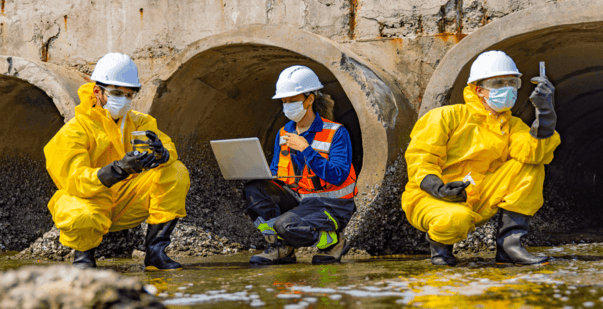
Personal Protective Equipment (PPE) is the last line of defense when working with hazardous materials, so using it correctly is vital. OSHA requires employers to provide and maintain appropriate PPE whenever chemical hazards are present. The different parts of the PPE include:
Safety goggles or face shields: To protect eyes from splashes
Chemical-resistant gloves: To keep toxins off skin
Respirators or masks: Filter toxic vapors
The right PPE must be chosen for the specific hazard (for example, nitrile or neoprene gloves resist many solvents) and it must fit properly. Each piece of PPE should be inspected and kept in good condition, even a tiny tear or worn strap renders it useless.
Studies show that investing in PPE “can minimize the risk of serious workplace accidents”.
Workers should be trained in correct PPE use: how to don, adjust and remove gear without contaminating themselves.
Never skip PPE: removing protective equipment prematurely can allow dangerous exposures.
Read More: HAZMAT Suit Levels: How Many Are There?
Best Practices for Safe Handling of Hazardous Materials
Even the best procedures can fail without solid work practices. Effective handling relies on multiple layers of safety. The HAZMAT safety best practices include:
Read the SDS and your standard operating procedures before handling a chemical. Ensure you have the right tools and know the emergency plan.
Work in fume hoods or with local exhaust to remove harmful vapors. Use closed systems or automation (like pumps) so that chemicals are never released into the open air.
Use funnels, pumps or tongs to transfer chemicals. Ground and bond containers when moving flammable liquids to prevent static sparks. Keep liquid transfers low and slow to avoid splashing.
Only take out the amount of chemicals needed for the task. Larger sizes are less safe to store and handle if they spill. Carry excess chemicals back to store quickly instead of leaving them outside.
Keep your workspace clean and clutter-free. Store incompatible chemicals on separate shelves or in separate cabinets. Get ignition sources out of the area.
Always follow written instructions (mixture directions, dilution ratio, etc.). NEVER use chemicals without caution. Prepare for high-hazard activities with close supervision or in pairs.
Verify that pumps and detectors are operating well. Make sure eyewash stations and showers are provided and accessible.
Alert others when it's hazardous work. A coworker nearby or on call could be invaluable if additional help is required. Display warning tags or signs where hazardous work is being conducted.
Wash your hands and any exposed surfaces thoroughly. Sanitize tools, benches, and protective gear to not the transfer of chemical residue.
Together, these steps create multi-tiered protection. Through preparation of your work by implementing controls and adherence to safety measures for hazardous materials day in and day out, you greatly lower the likelihood of incidents.
How Should You Respond to Spills and Prepare for Emergencies?
If you have a spill or hazardous accident, the emergency response is to act as fast as possible, but do so safely. First, notify your coworkers and your supervisor - pull the alarm (if applicable). Look at the SDS for the hazardous material you are working with and follow the steps outlined for cleanup. After that:
Don PPE: Wear protective equipment prior to getting to the spill (same PPE for treating that chemical).
Contain it: Prevent it from spreading with absorbents or barriers. For acids, neutralise with baking soda; for alkalis, use a commercial neutralising agent. Use absorbent pads or sand.
Ventilate and isolate: Open doors/windows or use fans and rope off the space so other people move away. For flammable spills, put out ignition sources (fires, motors).
Clean up the spill safely: Carefully gather dropped material and used absorbents with equipment and dispose of them in a special waste container. Do not use regular drains to dispose of hazardous materials.
Decontaminate the area: Once cleaning is complete, wash exposed equipment and skin. Dispose or wash contaminated clothing in a safe manner.
For big spills, fire or fumes, get out right away and call emergency responders. You must always have a written emergency response plan in place, as OSHA dictates, and use it through drills.
Read More: What Is An Emergency Action Plan?
Proper Waste Disposal and Decontamination Protocols
Hazardous waste disposal must follow strict regulations. Never dispose of hazardous residues in the regular trash or sewer; follow label and regulatory instructions. Under U.S. law, leftover chemicals must be classified and disposed of according to chemical safety guidelines and the EPA’s RCRA rules.
Label Waste Properly
Every waste container must be clearly labeled (e.g., “Hazardous Waste”) with the chemical name and hazard. Store waste in compatible, leak-proof containers that remain closed except when adding material.
Minimize and Store
Only accumulate the legally allowed amount of waste (check RCRA generator thresholds). Store waste in designated areas away from drains, food, and ignition sources.
Disposal
Arrange pickup by a licensed hazardous waste contractor. Never pour hazardous liquids down ordinary sinks or throw chemicals in regular trash. If it's acceptable by SDS, then it's feasible to neutralise some wastes (e.g. weak alkalis or acids) prior to them going for disposal if it's legal.
Decontamination
After use, clean tools, benches, and glassware: wash with appropriate detergents or solvents until clean. Spill or rinse cleaning solution itself must also be recovered and submitted for disposal as waste if it contains unwanted compounds. Provide showers or wipes for workers to remove any contamination.
Build a Safer Workplace with Proper Hazardous Material Handling!
In the end, following these hazardous materials safety protocols protects everyone in a facility. Each practice, from careful labeling and storage to correct use of PPE and spill response, plays a crucial role. Real-world data show what can happen when rules are ignored. One analysis found 829 hazardous incidents in the U.S. from 2021–2023; those events caused dozens of deaths and hundreds of injuries. Safety is a team effort: workers, supervisors, and safety officers must all stay vigilant. Keep up with training and always obey procedures. Encourage coworkers to do the same. Our collective commitment to safety ensures everyone goes home safely each day.
To handle hazardous materials safely, knowledge is not enough. You need certified training. Enrolling in hazmat training equips you with practical skills and builds confidence to protect both your workplace and community.
FAQs
1. What are the most important safety steps when handling hazardous materials?
The top safety steps include proper labeling and storage, using the correct PPE (personal protective equipment), and following HAZWOPER training protocols. Workers should always read Safety Data Sheets (SDS), ensure good ventilation, and have spill containment plans ready. Regular safety drills and equipment inspections are also essential to prevent accidents.
2. Why is HAZWOPER training required for hazardous material handling?
HAZWOPER (Hazardous Waste Operations and Emergency Response) training, required by OSHA, prepares workers to safely handle, store, and clean up hazardous materials. It teaches emergency response procedures, exposure prevention, and proper use of PPE. The training also reduces risks of chemical burns, inhalation injuries, and environmental contamination.
3. What should you do if a hazardous material spill occurs?
If a spill happens, evacuate the area if necessary and alert emergency personnel immediately. Use proper PPE, follow your facility’s spill response plan, and contain the spill if trained to do so. Never attempt cleanup without knowing the substance’s hazards. Always refer to the Safety Data Sheet (SDS) first.
References: